
Broward County Recent Arrest Windows
Broward County residents get two public arrest tools from the Broward Sheriff's Office. They answer different questions. The BSO Arrest Search layer is built around names, and its results refresh every 15 minutes. That makes it the current-information view. The BSO Booking Blotter works by date instead. It lists everyone arrested and processed through BSO detention on the dates you choose, and the interface tells you to search no more than two days at a time. Available results also carry a 24-hour lag. Neither window is instant, though. A Broward County arrest on the street is only the first step in a chain of transport, property intake, medical screening, fingerprints, a photograph, warrant checks, and database responses.
Booking simply takes time. For same-day listings, the Daily Arrest Report is the right stop. The Weekly Arrest Log explains the dated export. When both views come up empty, the BSO Public Records Unit is the formal fallback. A released person can drop out of a current view even while the arrest record and court case remain.
| Window | Official source | Best use | Known limit |
|---|---|---|---|
| Current or same day | BSO Arrest Search | Name search, location, individual detail and photo when available | 15-minute database update statement, but intake can add delay |
| Dated multi-day | BSO Booking Blotter | Start/end dates and Excel export | Two-day query limit and 24-hour lag |
| After online roll-off | BSO Public Records Unit | Request a retained booking record or photo | Backlog, review, redaction, and fees may apply |
The official BSO arrest form handles the direct name search for Broward County recent arrests.
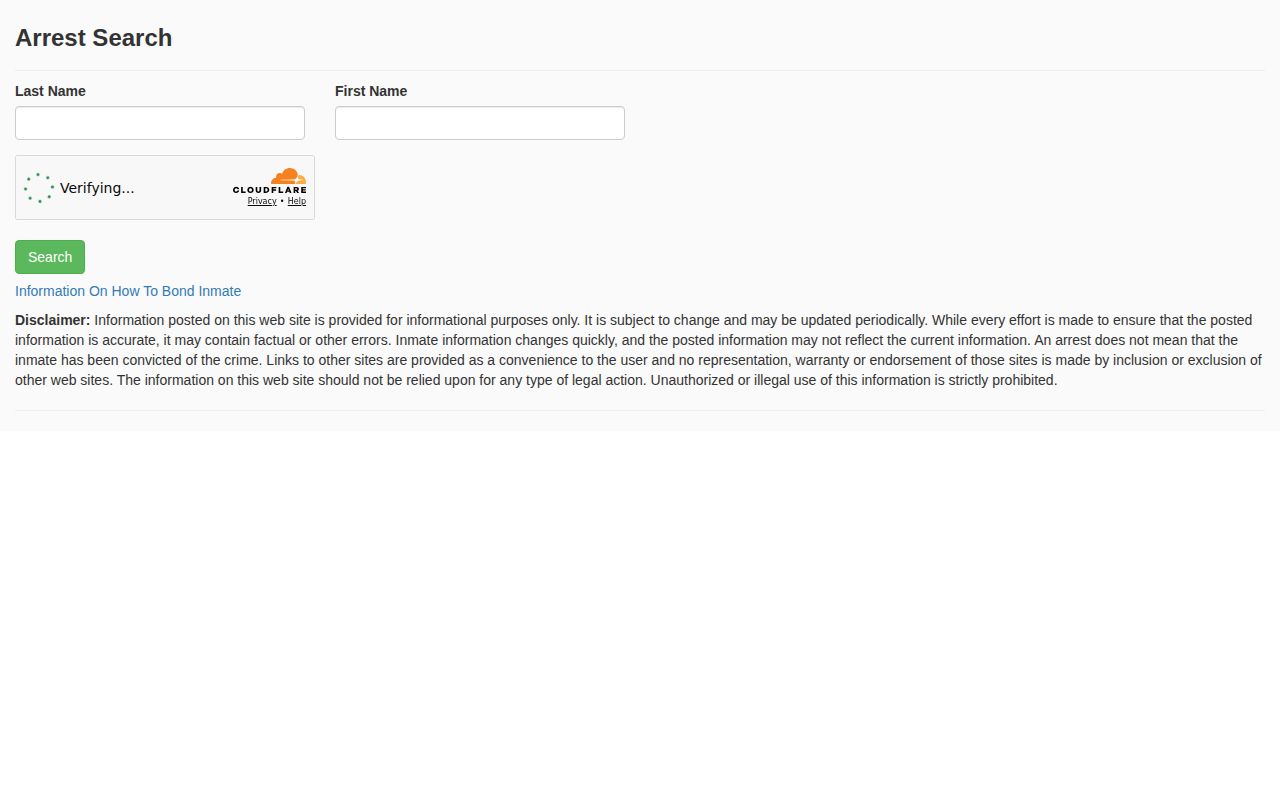
The lookup stays person-centered, one arrest detail at once.
When Broward Arrests Appear
Last night's arrest may not show up right away. BSO spells out an intake order. Officers receive property, screen for medical needs, take fingerprints, photograph the person, and run warrant checks. Each step can stretch. Workload and access to state or national databases change how long booking takes. The public search may refresh on schedule during intake. So check the spelling. Try again later. Call the jail information line when custody needs prompt confirmation.
Alerts work differently from the lookup. Florida VINE can track one known person's custody change once the record enters the participating system. SaferWatch, BSO e-alerts, social posts, and breaking-news notices all serve public-safety or news roles, but none is a complete booking feed. Use the VINELink Inmate Check for release or transfer notifications instead of treating an alert app as a roster.
Broward Intake and Housing
Booking in Broward County runs through one door. The BSO Central Intake Bureau takes in people arrested by agencies across the county. Its main booking desk sits in downtown Fort Lauderdale. A second site operates out in Pompano Beach. A Hollywood police arrest, a Pembroke Pines arrest, and a Fort Lauderdale arrest all land in the same county system. Whoever made the arrest, the county decides where the person is held.
After intake, housing is BSO's call. A person may go to Main Jail, the Joseph V. Conte Facility, the North Broward Bureau, or the Paul Rein Detention Facility. Placement rests on custody, safety, and least-restrictive criteria. Transfers happen too. Check the location shown on the arrest detail before a visit, a deposit, or a records inquiry. The jail information number is 954-831-5900. BSO's published bond lines can handle bond questions, though the Clerk docket still holds the court history.
The Central Intake Bureau description spells out the countywide booking role behind Broward arrests.
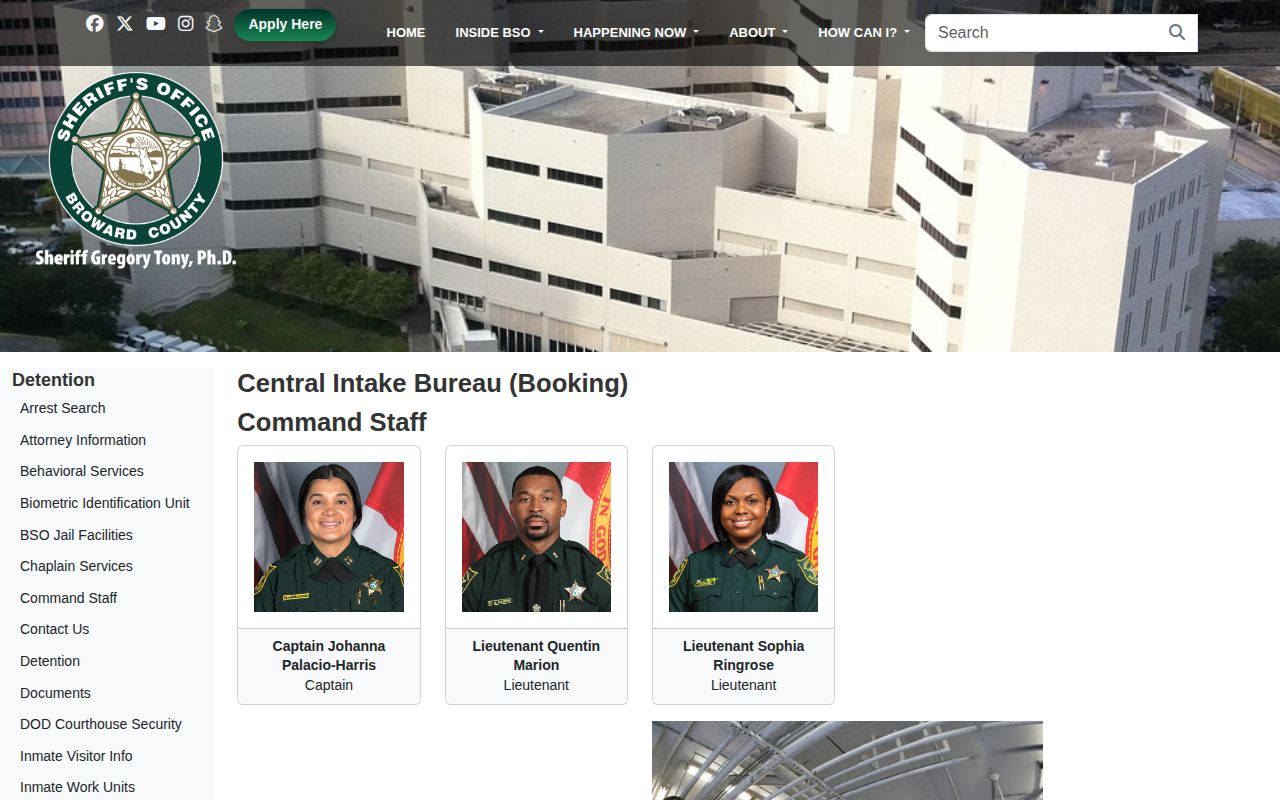
This operating structure explains why the arresting city and present housing location can differ.
Search the Broward Arrest Roster
BSO Arrest Search is the live layer of arrest data, not a permanent archive. Search by last name alone. Add a first name if needed. Results give the name, sex, arrest number, and location. Clicking the arrest number opens the detailed record and its booking photo when one exists, which keeps the search fixed on one person instead of a gallery.
| Field | How it works |
|---|---|
| Last name | Primary name field; check spelling and aliases where known |
| First name | Narrows common surnames |
| Arrest number | Links a result row to the individual detail |
| Location | Shows the listed custody location, which may differ from the arrest city |
| Photo | May appear on the individual detail; it is not promised for every record |
Work the roster in a set order. Start with a last name search on the official portal. Add the first name only if the results crowd. Match the arrest number and location against facts you already know. Open the matching record. Read the charge and bond fields. If no one appears, allow for intake lag, then call BSO. Older or missing entries take a records request with the name, date, and arrest or CIS number. The Broward Clerk supplies the court outcome.
Keep the labels separate. Arrest city, arresting agency, booking site, present jail, court, and any later state or federal custodian can each point somewhere different.
Where Broward Arrest Records Appear
Start with official sources. BSO holds the county booking layer. Each city police department keeps its own arrest or incident report. The Broward Clerk carries the criminal case file. The Florida Department of Corrections, or FDC, matters only after a state sentence or for someone under its supervision. News sites and commercial copies can add context. They may be incomplete, stale, or wrong.
| Channel | Photo | Status | Use |
|---|---|---|---|
| BSO Arrest Search | On some individual details | Official | Current booking and location check |
| BSO Booking Blotter | Not promised per row | Official | Lagged two-day date search |
| Broward Clerk | No booking-photo promise | Official | Case events and disposition |
| FDC Offender Search | Often an offender photo | Official state source | State prison or supervision |
| Local 10, NBC 6, WSVN and other newsrooms | Selective editorial images | Independent news | Context for notable cases, not a roster |
| RecentlyBooked, Mugshots.com, Arrests.org and Mugshots.zone | Often | Unofficial | Secondary copies that may be stale or incomplete |
The official Booking Blotter interface shows its date limits up front.
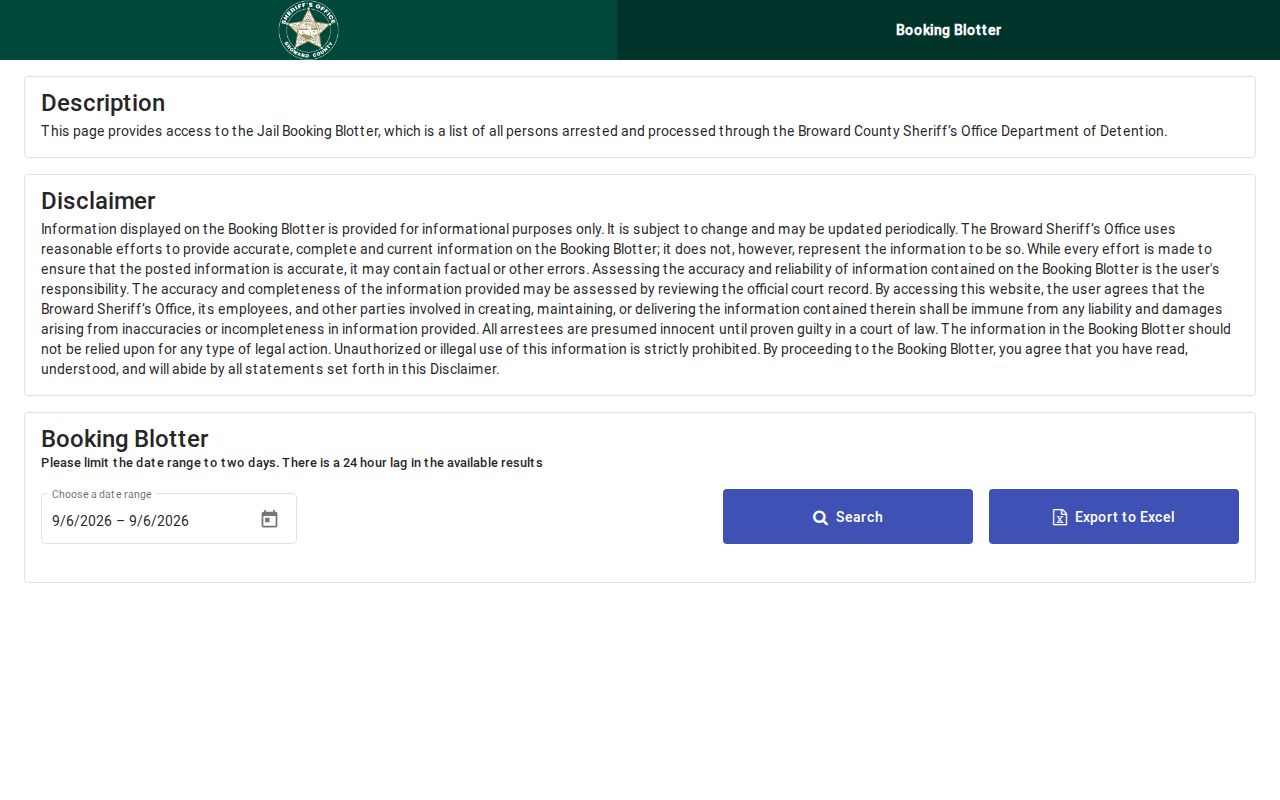
Those limits explain the gap. RecentlyBooked Broward, Mugshots.com Broward, Arrests.org Broward, and Mugshots.zone Broward all sit outside the official record, so their dates, agency tags, photos, and charges need checking against BSO and the Clerk. Mugshots.zone has carried stale dates. RecentlyBooked sets its own update pace. Neither pace controls the official record.
Broward News and Alerts
BSO spreads its news across several channels. The breaking-news page, e-alert subscriptions, and official social accounts carry selected agency developments. SaferWatch sends public-safety alerts and takes tips. These channels may explain a notable arrest or an active appeal. None promises every booked name, and silence never means an arrest did not happen.
Local outlets pick their own stories. Local 10, NBC 6 South Florida, WSVN, CBS Miami, the Miami Herald, and the Sun Sentinel cover arrests when editors judge them newsworthy. Their reports may cite an affidavit, a police statement, a jail entry, or a court filing, sometimes with an agency photograph. Coverage stays selective. Return to BSO for the booking record and to the Clerk for the court outcome. Aggregate FLPD district statistics describe trends, not named bookings.
Broward Recent Arrests by City
Cities and the county split the paperwork. A municipal report covers the incident, and BSO records the booking into county custody. Fort Lauderdale Recent Arrests connects FLPD reports and aggregate statistics to BSO intake. Pembroke Pines Recent Arrests explains the city records process and its stated waiting period. Hollywood Recent Arrests separates HPD-held reports from the BSO booking and photo record. Intake may occur in downtown Fort Lauderdale. The remote Pompano Beach site handles it too. Housing follows operational and safety criteria, not distance.
Inside a Broward Arrest Record
A booking record documents intake into custody. BSO's public detail can show a person, the booking event, listed charges, bond information, location, and a photograph when available. The full file goes further. It may hold fingerprints, property records, medical-screening material, the arrest affidavit, demographic data, officer identifiers, and a probable-cause summary. Access varies. Exemptions, redaction, juvenile rules, sealing, expungement, and active investigations can each restrict a field or document.
| Record field | What it means |
|---|---|
| Arrest or CIS number | The identifier used to distinguish the booking |
| Booking date and time | When intake was recorded, not necessarily the exact street-arrest time |
| Arresting agency | The police or sheriff unit tied to the arrest |
| Charges as booked | Initial charges that can change in court |
| Bond | The listed release condition or amount at that stage |
| Housing location | The listed jail assignment at the time of the record |
| Booking photograph | An identification image made during intake, not evidence of guilt |
| Release data | A custody event, not a case disposition |
BSO's Central Intake Bureau reports roughly 33,000 arrests a year from Broward agencies. The Department of Detention counts about 44,117 inmates annually. Those numbers measure different things. Arrest, booking, and inmate describe distinct stages. The two figures should never be added or merged into one count.
Broward Mugshots and Booking Photos
BSO takes the booking photo at intake, after medical screening and fingerprints. That is the published sequence. Arrest Search links an arrest number to the person-level detail and photograph when one is shown. The Blotter promises no photo. No fixed display period exists. A photo can vanish after release, a correction, sealing, expungement, or a withholding decision. The record itself may stay on file with the custodian.
Want a copy after roll-off? Ask BSO for the booking record or photograph, and supply the exact name, date, and arrest or CIS number. City report fees differ from BSO photo fees. BSO says charges depend on the work, record type, duplication, and law, and it may provide an estimate. A person sentenced to state custody shows up in the FDC Offender Search, a different record that may include an offender photo.
The official Florida offender search is that other channel.
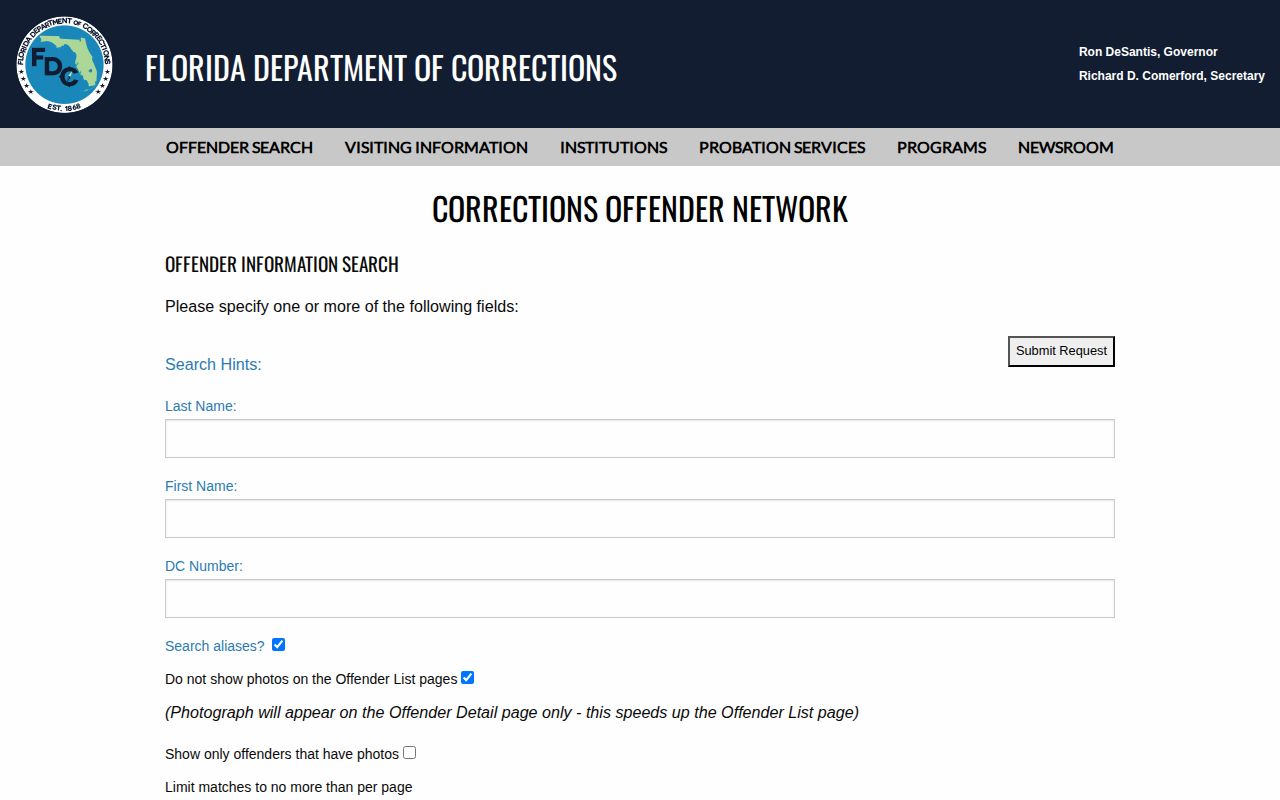
Use it only after a person moves into FDC custody or supervision. It replaces no fresh BSO booking.
Request a Broward Arrest Record
The BSO public-records portal is the formal route. Use it when the online row is missing. Use it when an image will not display, or when you need a copy. Florida's public-records framework allows access, subject to exemptions and permitted charges. BSO warns of a backlog and variable costs rather than posting one universal booking-photo fee.
- Gather the full name, approximate arrest date, arresting agency, and arrest or CIS number if known.
- Submit the request through the BSO portal or contact the Public Records Unit. Describe the exact booking record, photograph, affidavit, or release record sought.
- Ask for a cost estimate before work begins. Fees can reflect review, research, redaction, and duplication.
- Track the request and answer any identity or scope question from the custodian.
- Use the Broward Clerk separately for filed court documents and the final disposition.
The official BSO request page shows the agency's online request and contact path.
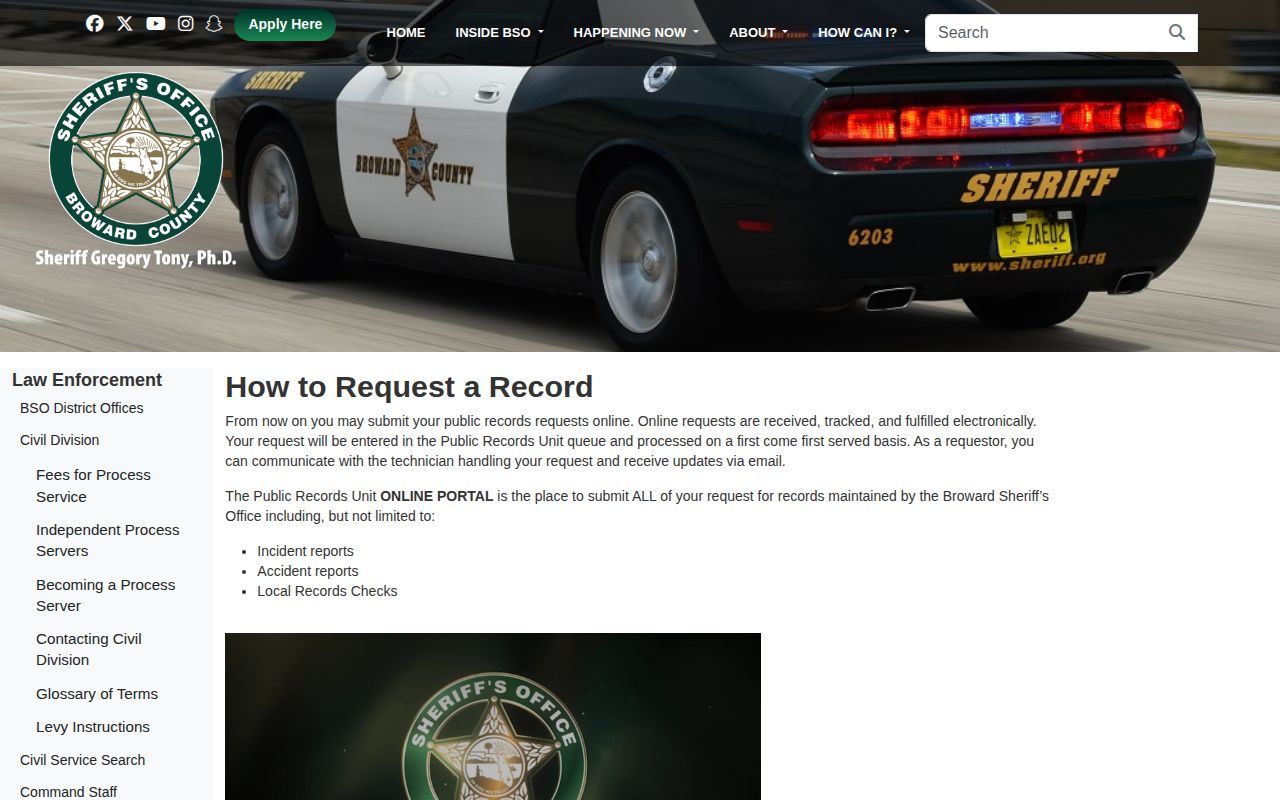
Precision pays off. Naming exactly what you want keeps a city police report, a county booking photo, and a Clerk case file from getting confused.
Florida Arrest Photos and Removal
Florida Chapter 119 governs access, but exemptions and court orders matter. The state's criminal-justice retention schedule separates online display from agency custody. GS2 Item 16 covers booking records. It requires retention through one anniversary year after release. Item 22 gives commitment and release lists the same period, and Item 61 keeps summary jail docket books permanently. Those minimums promise nothing about online display.
Florida photo rule: Florida Statutes §901.43 targets a narrow set of publishers, those that solicit or accept payment to remove an arrest booking photograph. It sets no general deletion right.
A solid correction path has four steps. First, when the official BSO entry is wrong, send the exact record number and proof. Second, read the FDLE seal and expunge guidance and get legal advice on eligibility. A certificate alone is not a court order. Third, after a qualifying outcome, use a publisher's documented free process. RecentlyBooked, Mugshots.com, and Busted Newspaper describe no-charge maintenance or removal routes for certain errors and outcomes. Arrests.org and Mugshots.zone post no clear free route. Finally, once a source page is corrected or removed, Google's outdated-content tool can refresh a stale search result. That tool cannot erase an active source.
Never pay on a removal promise alone. Private copies may lag a court order. Send each publisher the certified record where needed. Juvenile, sealed, expunged, exempt, or protected material has no place in a public search.
Older Broward Booking Records
Roll-off is not destruction. Florida's GS2 schedule sets minimum retention only. An agency may keep a record far longer. Start with BSO for a county booking or release record, the arresting police department for its report, and the Broward Clerk for a filed criminal case. Give the custodian a narrow date range, the right agency, the record type, and the arrest or CIS number. Ask plainly what happened. The item may sit in local files, may have been destroyed under an approved schedule, or may have been transferred.
The Florida State Archives preserves historically significant government material. Its catalog promises no digitized Broward booking photos. Routine records usually stay with BSO, a city agency, or the Clerk unless a specific accession says otherwise. The Clerk reports that many criminal documents filed after January 6, 2014 are searchable online. Older material may need a request or visit. Some aging traffic and misdemeanor records face purging, and sealed or expunged documents follow separate controls.
Why did a booking disappear? The reasons vary. Release, transfer, correction, an access restriction, sealing, expungement, or normal interface roll-off can all hide a record. Ask the custodian instead of trusting an empty result.
Broward Warrants and Public Appeals
BSO publishes no current most-wanted roster with a count, update schedule, or stated photo rule. Skip commercial substitutes. For a Broward court matter, begin with the Broward Clerk Case Search and then confirm with the Clerk or the issuing court. A case history is not real-time warrant certification. Anyone who may be subject to a warrant should contact an attorney or the issuing court to resolve it.
The FDLE wanted-person search gathers statewide reports. Confirm any hit with the reporting agency. BSO breaking news and Crime Stoppers carry selective public appeals rather than a complete warrant list. Never approach, follow, or detain a wanted person. Send tips to law enforcement or Crime Stoppers. Call emergency services when danger is immediate. For any reported wanted person statewide, the official FDLE search interface is the proper starting point.
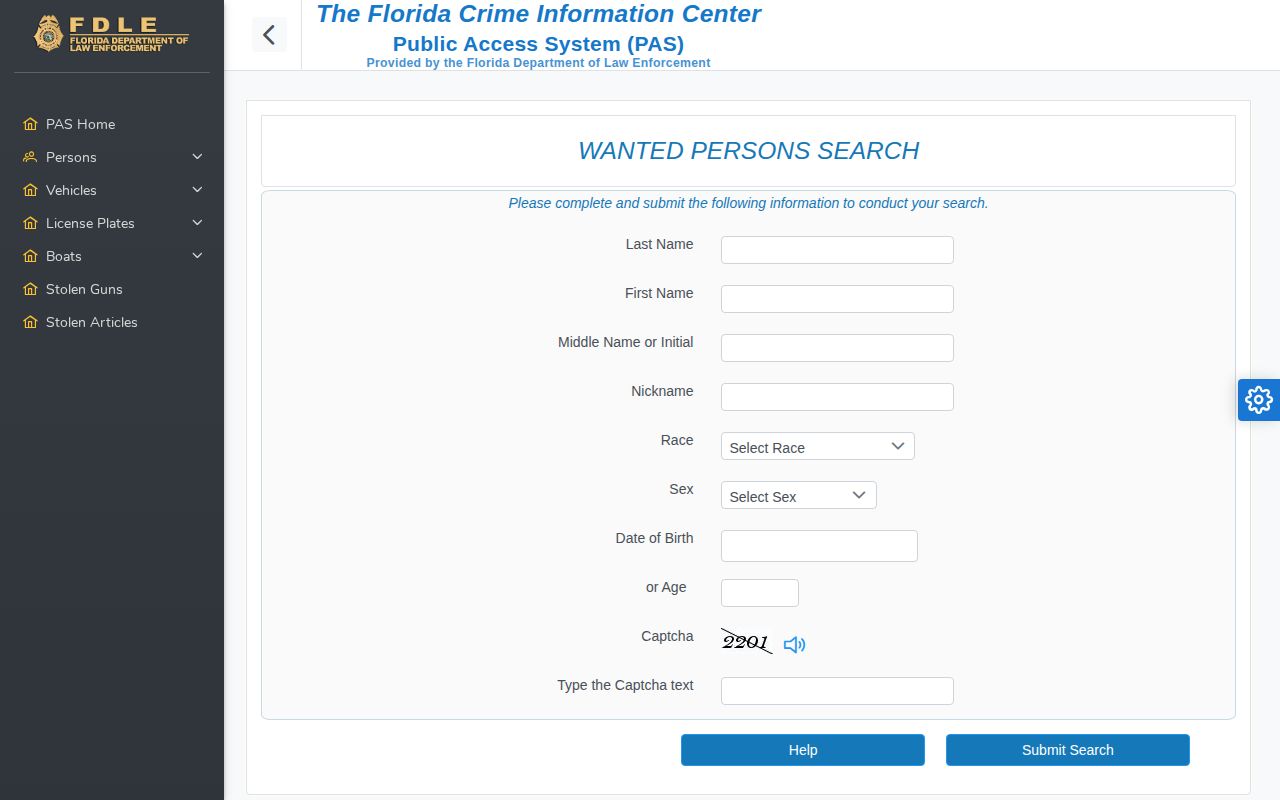
Identity and status still must be confirmed with the agency that entered the report.
After a Broward County Arrest
A booking is only the start. Florida Rule of Criminal Procedure 3.130 calls for a first appearance within 24 hours. Local timing still varies. Weekends, holidays, and the assigned judge can all shift the schedule. At first appearance, the court reviews status and conditions. Bond is a release tool, not a dismissal. Someone can drop off the current roster after bonding out while the case moves ahead.
The Broward Clerk is the essential second stop. Search by name or case number, match the identifiers, and follow the docket to a disposition. Along the way, charges can be changed, reduced, declined, dismissed, resolved by plea, or tried.
- Booking
- The jail's intake and identification process.
- Arraignment
- A court stage at which formal charges and a plea are addressed.
- Bond
- A release condition; it is not a case result.
- Disposition
- The recorded outcome of a charge or case.
- Expungement
- A court-controlled process that can restrict or remove qualifying records under Florida law.
Broward Transfers Beyond County Custody
County custody is not the end of the trail. A BSO booking search stops at the county line. A state prison sentence or FDC supervision moves the person into the Florida Department of Corrections search. Federal custody works differently. The Bureau of Prisons locator tracks federal inmates, though BOP offers no local booking-photo equivalent. Immigration detention belongs in the ICE Online Detainee Locator. A U.S. Marshals transfer can also push a record beyond the county system.
Do not blend these databases. A new municipal arrest may lead to BSO intake, a state sentence may shift the record to FDC, and an immigration detainer or federal case can create a separate route. VINE covers participating Florida jail, corrections, and supervision records. Match the search to the custody stage, then confirm with the agency in charge.
Search Broward County Booking Records
Start with a name and location. Then verify any result with BSO, the arresting agency, or the Broward Clerk.
Sponsored Results
Broward County Sheriff’s Office Location and Directions
Broward County Sheriff’s Office
2601 W Broward BoulevardFort Lauderdale, FL 33312
Public Records Unit: 954-831-8700